© Olga Peregudov, MIT

about

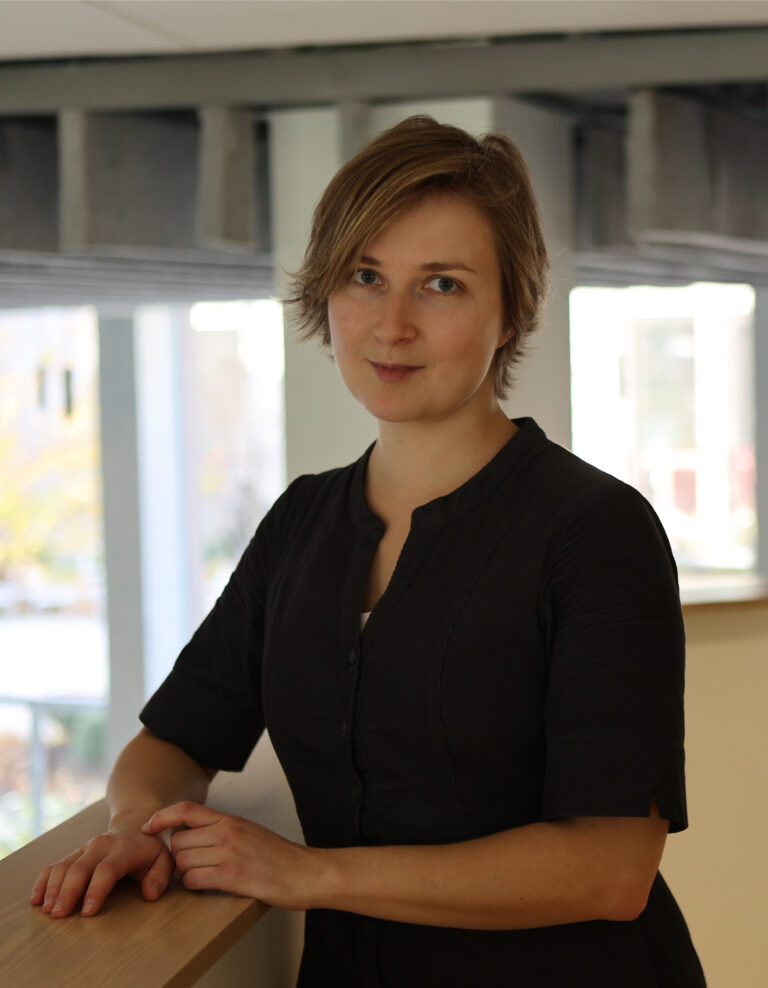
I am a computational biologist inspired by the complexity of the data.

At MIT, I am a Postdoctoral Researcher in the Leonid Mirny Group, where I specialize in exploring the three-dimensional organization of genomes across various experimental systems. My work focuses on understanding how spatial genome architecture influences biological function and regulation.

Below, you’ll find a brief summary of my experiences and research projects.

Experience

  • In 2011, I won the National Competition in Biology in Russia, an achievement that shaped my personality and aspirations.
  • That same year, I began my undergraduate studies at the Faculty of Bioengineering and Bioinformatics at Moscow State University.
  • I quickly realized my strong curiosity for science, particularly in tackling complex problems and systems. In 2014, I initiated my first research project with Ekaterina Khrameeva in the lab of Mikhail Gelfand.
  • In 2015, I received my first “Best Talk” award at a conference. Two years later, in 2017, my co-first-author study of globin region chromatin conformation was published in the journal Epigenetics & Chromatin (memorable first paper highlight).
  • After completing my degree in 2017, I enrolled in the PhD program at the Skolkovo Institute of Science and Technology under the supervision of Mikhail Gelfand, focusing my research on chromatin folding in single cells.
  • In 2019, I visited the group of Leonid Mirny at MIT to learn about polymer simulations, which allowed me to explore various areas of chromatin research ranging from development to disease.
  • That same year, I began contributing to Open2C (Open Chromosome Collective) by developing tools for Hi-C data analysis, primarily developing pairtools, the major tool I work on for Hi-C data analysis.
  • I completed my PhD in 2021 at the Skolkovo Institute of Science and Technology; my thesis can be found here.
  • In 2022, I joined the lab of Anton Goloborodko for a short postdoctoral internship while finishing a paper on pairtools and awaiting my US visa.
  • Later that year, I started my postdoctoral position in the Leonid Mirny group at MIT.

Projects

My interest in various branches of biology revolves around a unifying theme: chromatin organization

Detecting patterns in Hi-C data

Chromatin-based tree of life

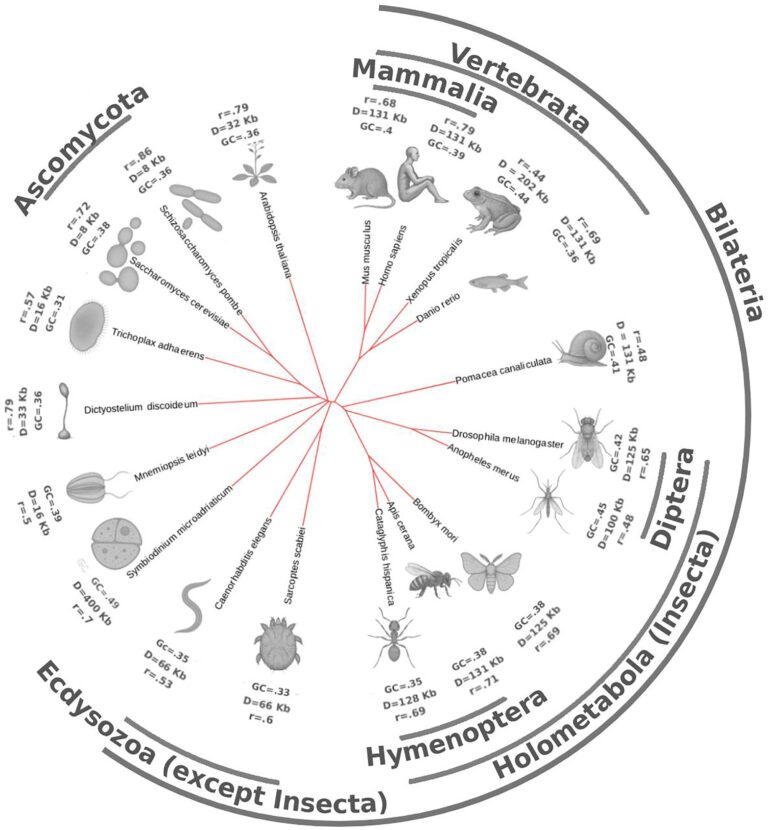
In the new work published today in NAR, Aleksei Shkolikov and I explore what we can see in Hi-C — with convolutional autoencoder — across the tree of life in 22 species, ranging from amoeba and dinoflagellate to vertebrates and insects. With our approach called Chimaera, we learn the rules

Read More »

Chromatin of immune cells

public talk: Untangling Immunity

The recording of my January 2025 NGS Webinar Series talk is now available. I cover my recent work on chromatin in dendritic cells. Thanks to the West German Genome Center for organizing the series and supporting open scientific discussion.

Read More »

preprint: Cohesin-mediated chromatin remodeling controls the differentiation and function of conventional dendritic cells

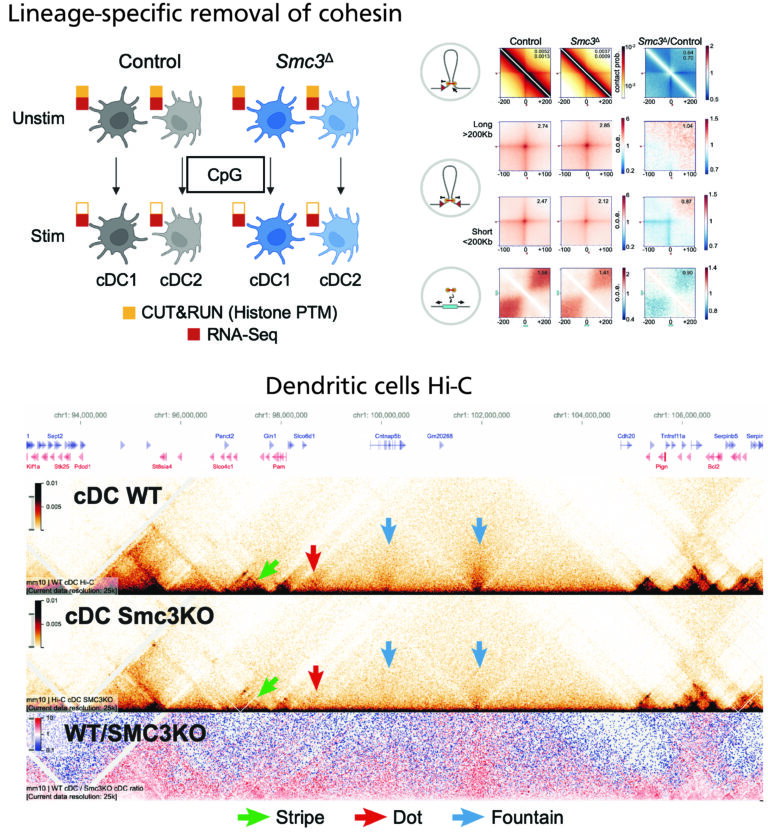
Does chromatin organization shape immune responses? Our recent study with Nick Adams led by Reizis Lab and Leonid Mirny explores how cohesin, a key player in chromatin loop extrusion, controls the chromatin architecture essential for conventional dendritic cells (cDC). DCs bridge innate and adaptive immunity. Surprisingly, strictly required factor for

Read More »

Chromatin of social amoeba

The story that features in NAR

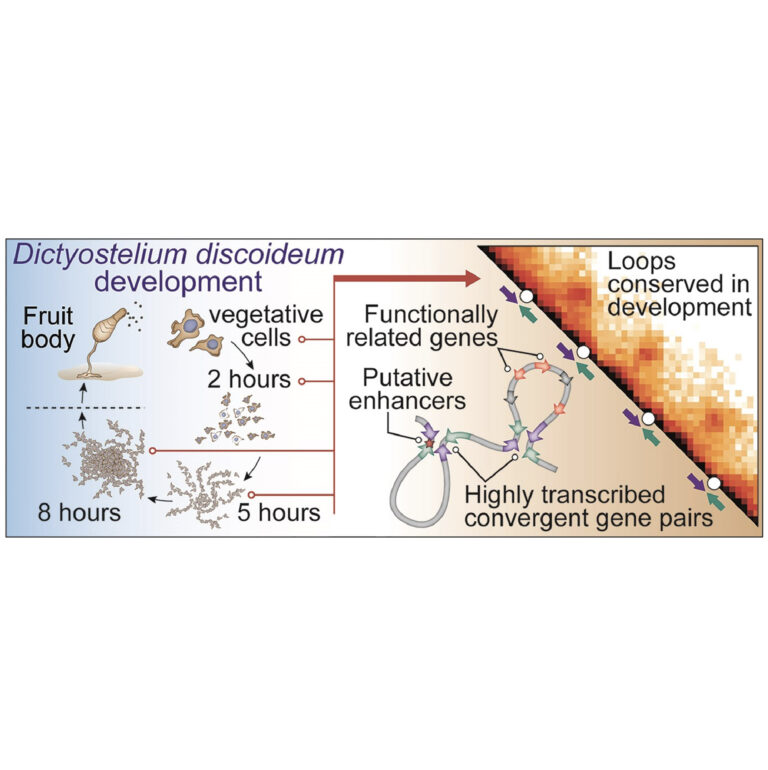
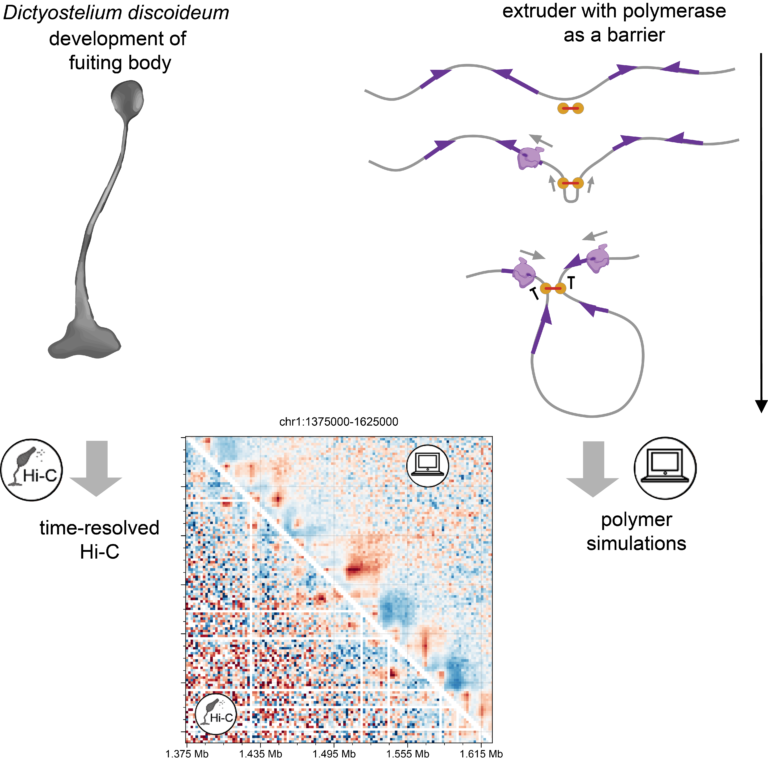
A very curious part of my PhD work on Dictyostelium discoideum chromatin has been published in Nucleic Acid Research this week. My part was designing a 1D extrusion and polymer model to explain why the “bright dots” are happening at the convergent gene positions (CGPs).

Read More »

preprint: Chromatin organization of social amoeba

Dictyostelium discoideum is a social amoeba famous for its pseudo-multicellularity: to multiply, its cells aggregate into fruiting body that produces spores. We call this fascinating organism simply as “Dicty”.

It turns out this organism has pretty unique genome organization into loops that coincide with the convergent genes positions.

Read More »